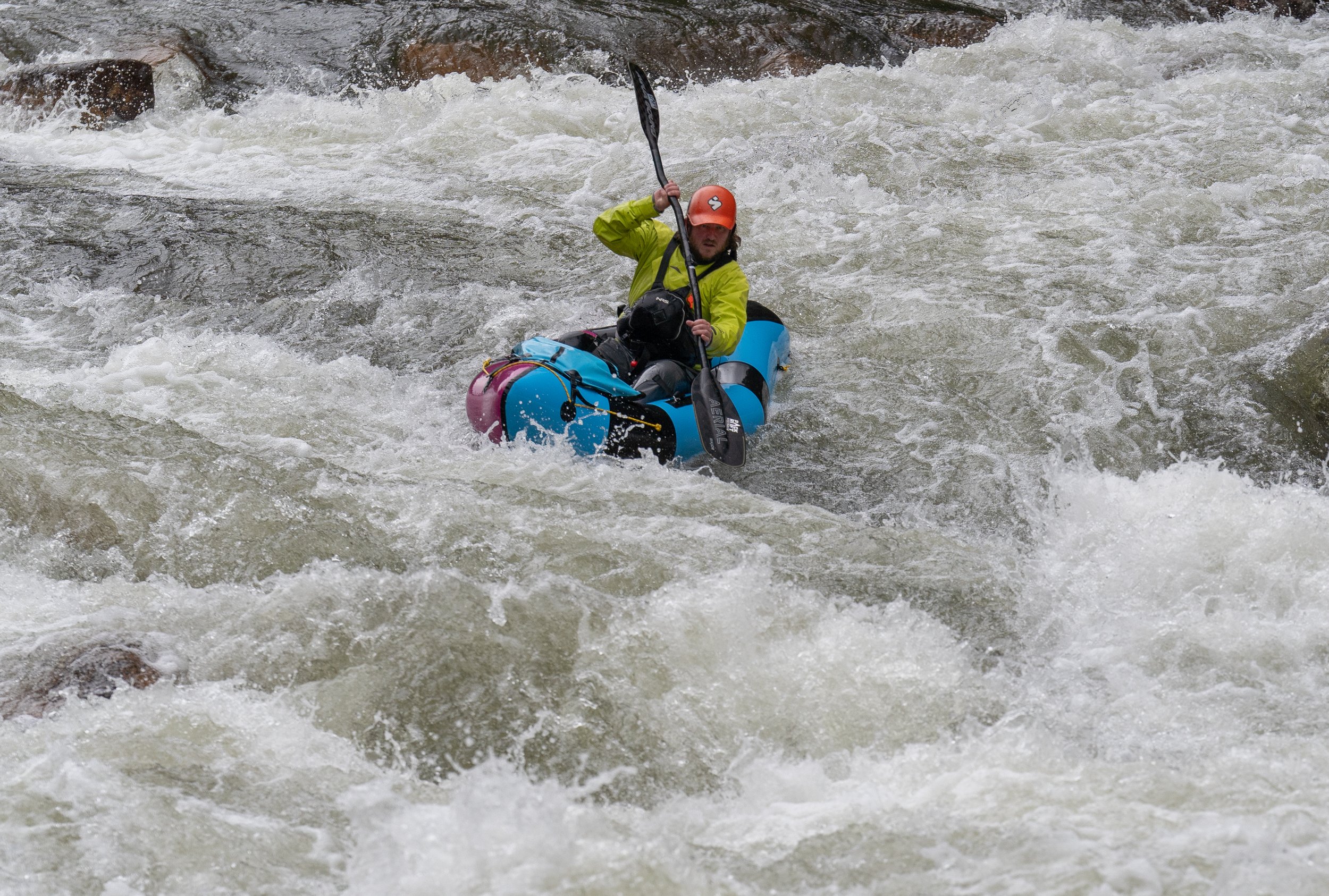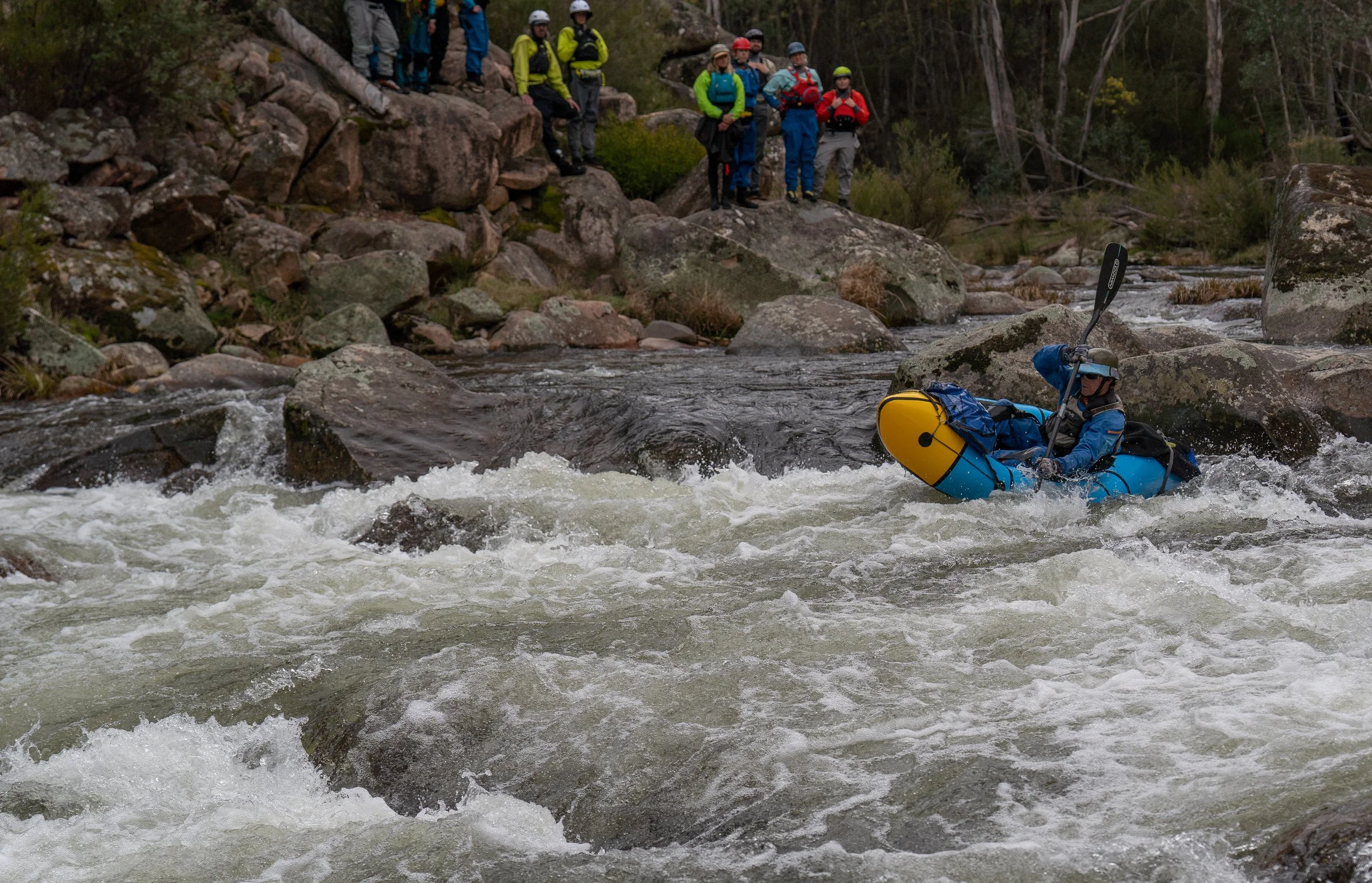
High Intermediate Course - North East Victoria
Packrafting Tasmania will again be running two 3-day High Intermediate Whitewater Packrafting Courses in early October on the Mitta Mitta River
Our High Intermediate Course
This is for those who are wishing to advance their skills and work towards paddling grade 3/3+ confidently, consistently and safely. It focuses on increasing paddler's boat control and technical paddling ability. It is designed for those who are already paddling grade 3 (or at least solid 2+) but who wish to become more technically competent.
Learn & Practice Good Technique
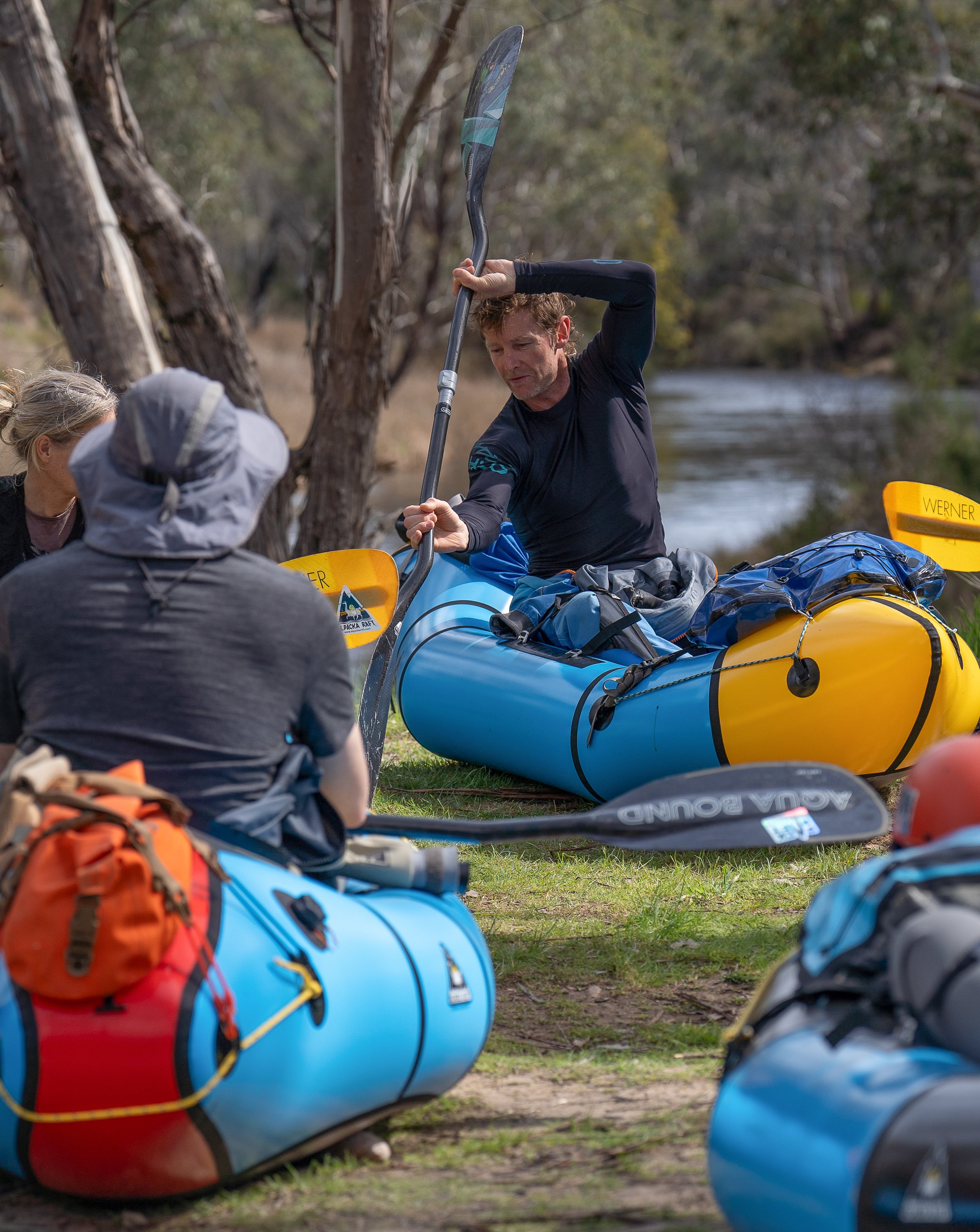
Our lead instructors have been teaching whitewater skills to paddlers for over 30 years. Dan Hall competed internationally in kayaking for almost 20 years and is still dominating the extreme whitewater kayak races in Australia.
We spend lots of time breaking down skills and techniques in order to ensure that paddlers understand the WHY, HOW & WHEN we apply particular techniques.
Our focus is on helping each and every individual to make lots of small improvements in order to become more technically oriented whitewater paddlers.
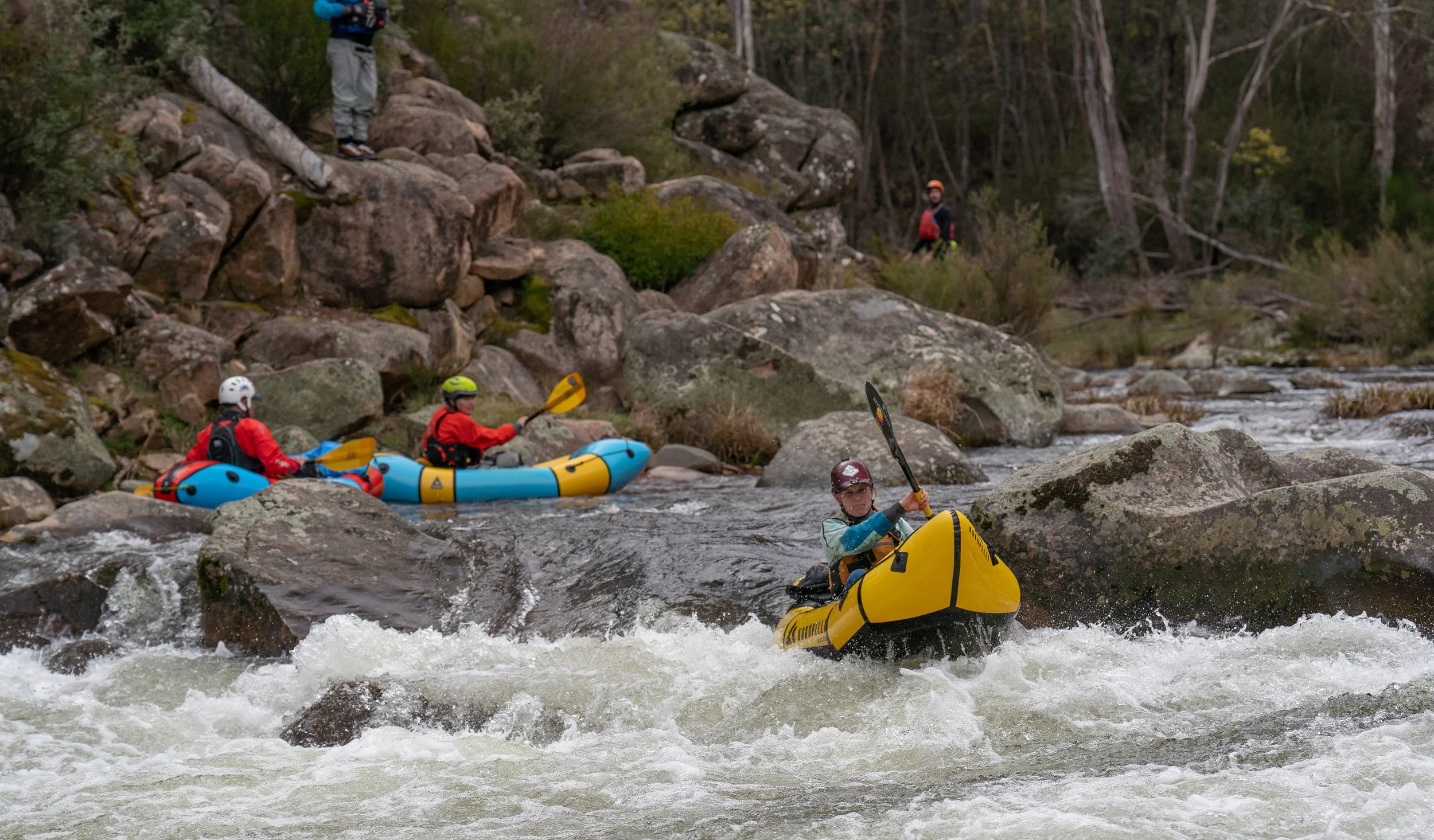
Master the skills, art & joy of whitewater packrafting
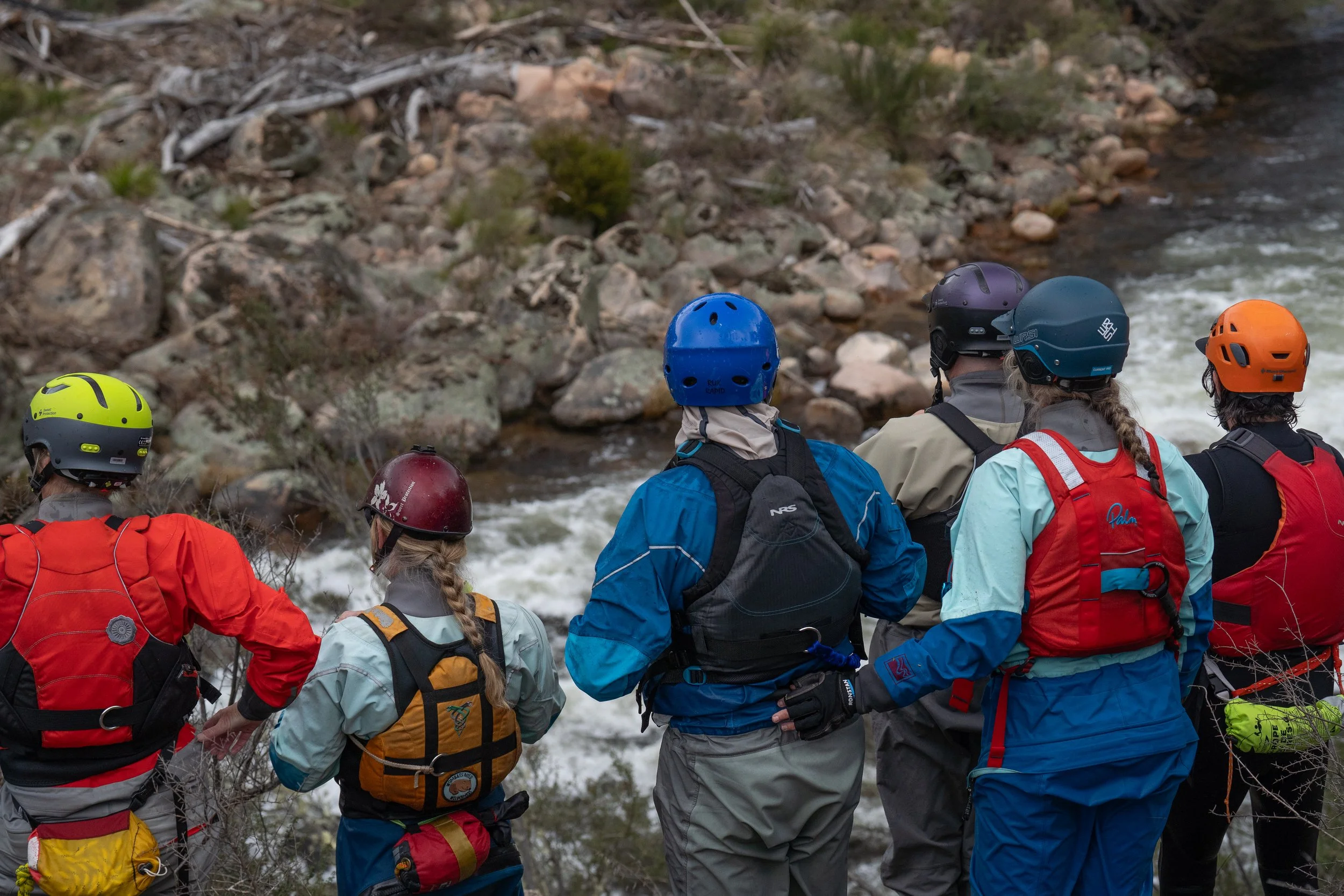
LEARN TO NOT ONLY READ WHITEWATER
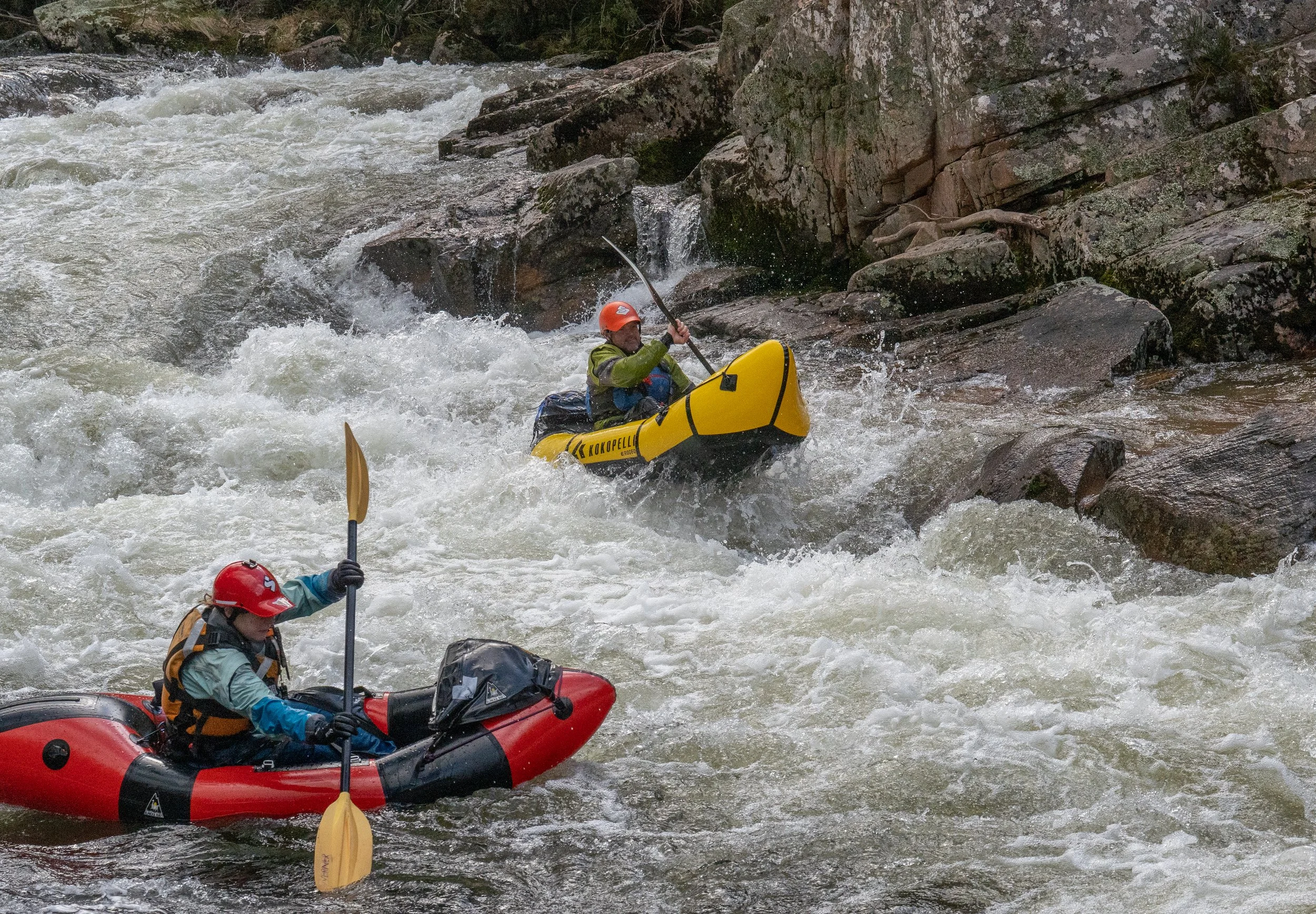
BUT HOW TO USE IT TO YOUR ADVANTAGE
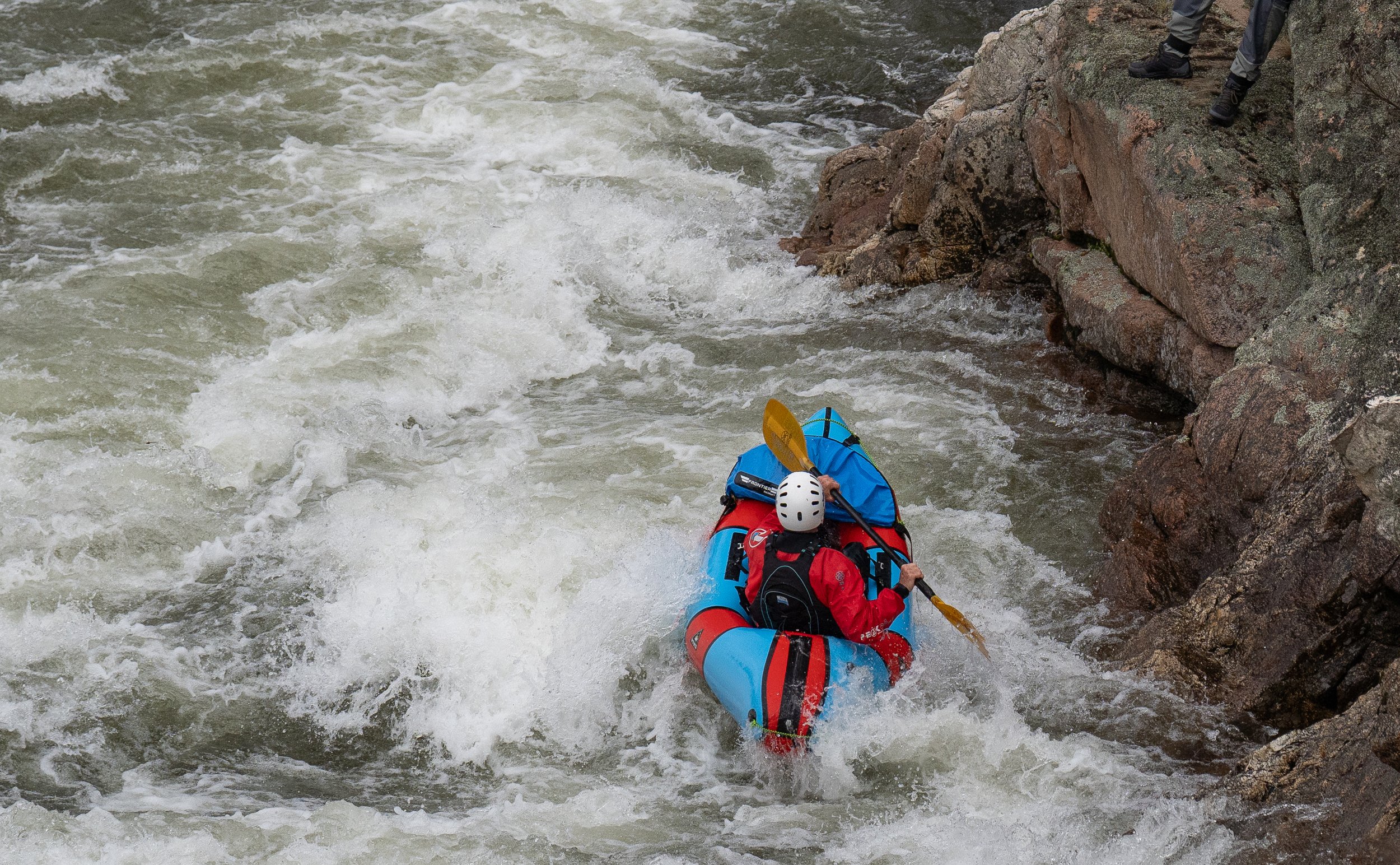
PADDLE WITH PURPOSE!
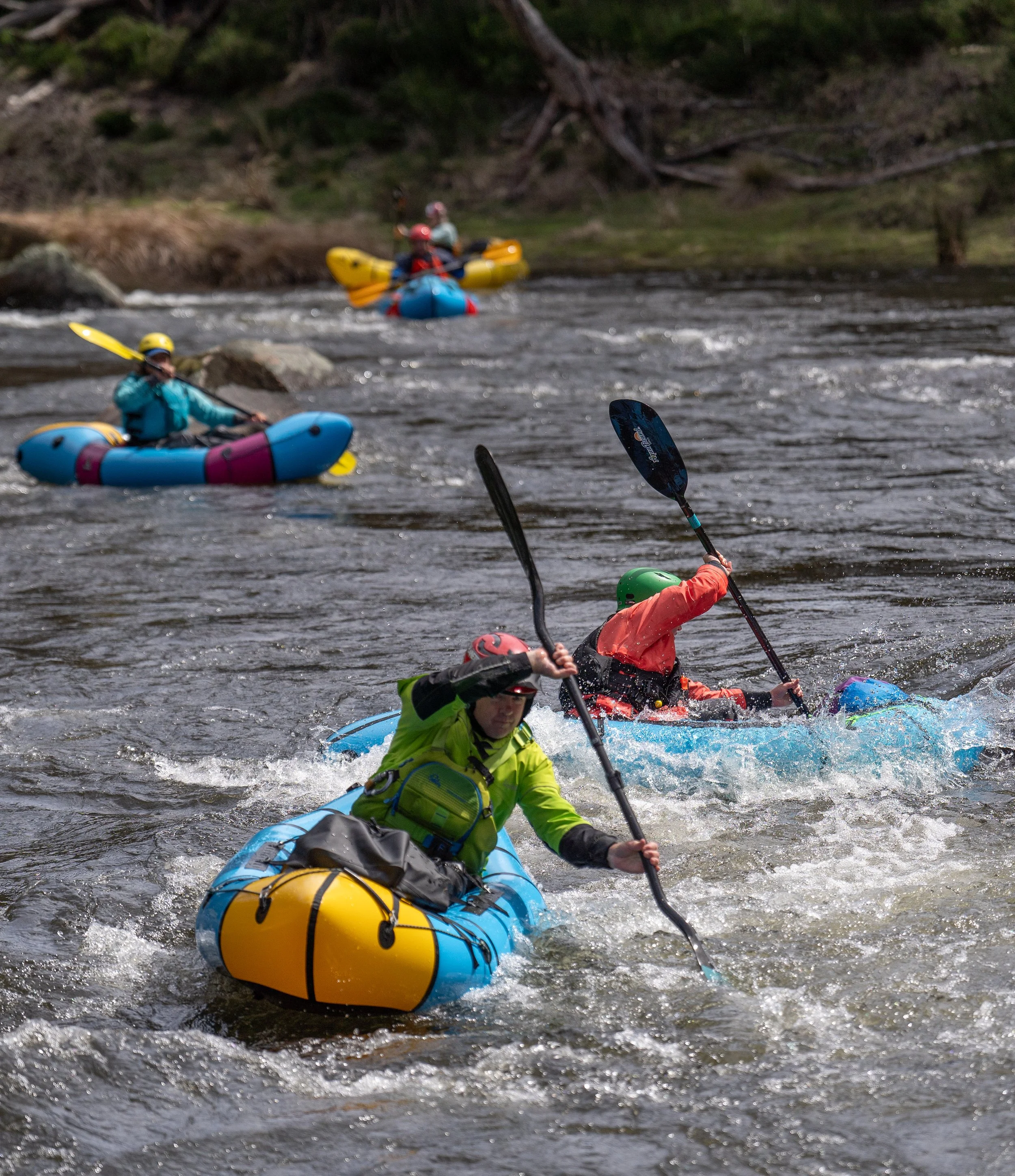
Course Details
Start Time: 9:00 AM Day 1 @ Jokers Flat Campground
Finish Time Day 3: approximately 3:00 PM
General Area: Mitta Mitta River area in North East Victoria
Cost: $950 (does not include GST)
Instructors: Dan Hall, Mark Oates & Jen MacGibbon
River Sections: We will utilise a range of different sections on the Mitta, and possibly another nearby river. What sections we paddle will be based on river heights, group skills and experience. Depending on water levels the group will likely have the opportunity to tackle some grade 3+ rapids however there will always be the option to walk/portage these.
Base camp @ Jokers Flat
The intention is for the group to camp at the Jokers Flat Campground in the Alpine National Park, right beside the Mitta Mitta River. Participants need to come fully self-sufficient for camping.
Alternatively people can arrange their own accommodation at a nearby venue. If you are after roof accommodation with a great rustic atmosphere we recommend the nearby Bundarra Cabins. To arrange this you would need to contact the owner, Donald, via 03 5159 7200. Note that he may be away overseas for much of the winter so we suggest you contact him ASAP. Previously the cost to stay there has been $60 per person per night.
Intended Course Content includes:
revision of technical strokes with a particular focus on forward efficiency and power
learning how boat design can aid performance
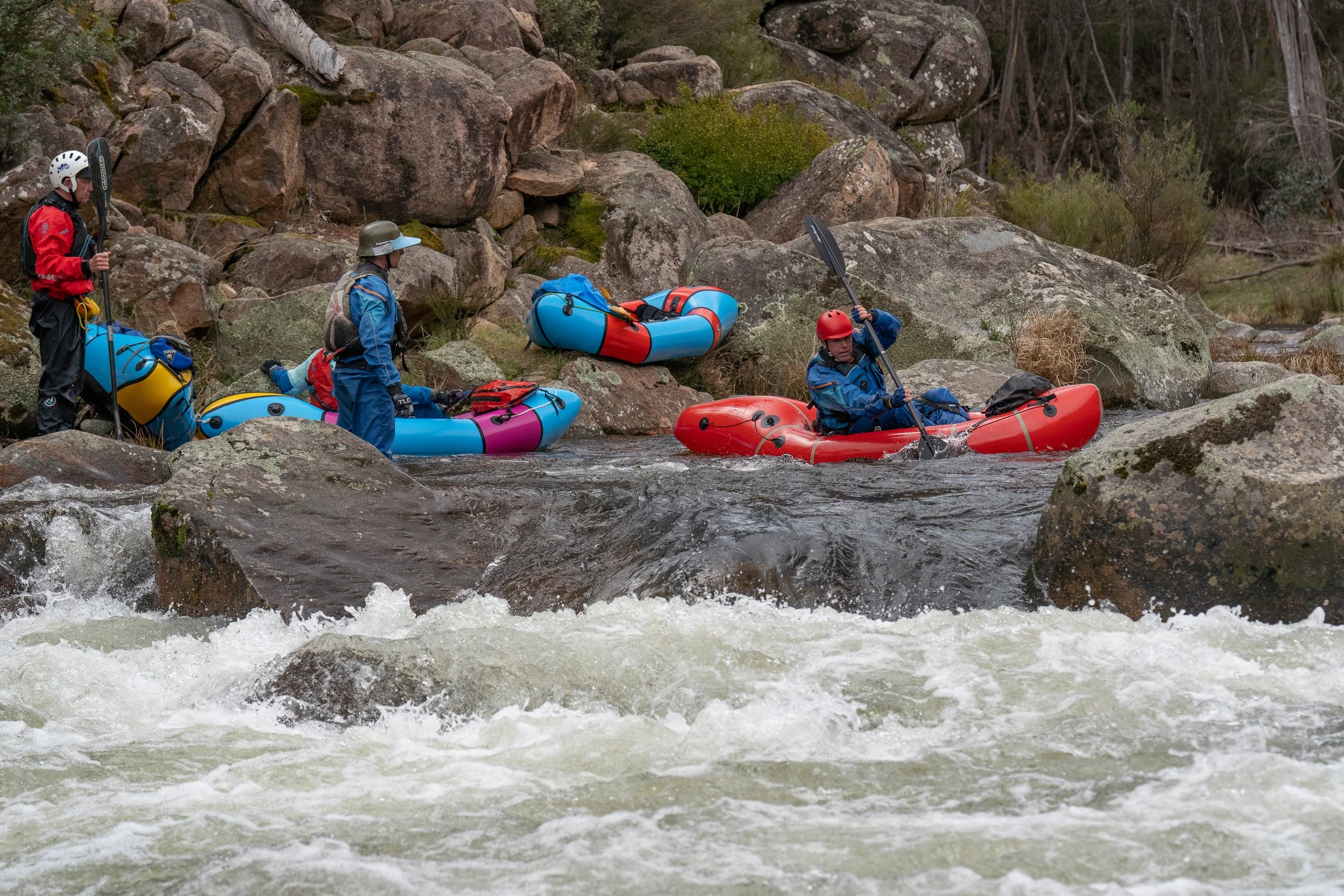
utilising key concepts of Position, Angle, Speed & Edging
understanding and using water features to your advantage
improving stroke placement and efficiency
slow motion video analysis of technique
learning and/or improving carving ability
techniques for utilising mid-stream eddies
the different techniques for catching small, medium and large eddies
a variety of techniques for running basic drops, ledges and holes
sweep boofs and the theory of cross-current and conventional boofs
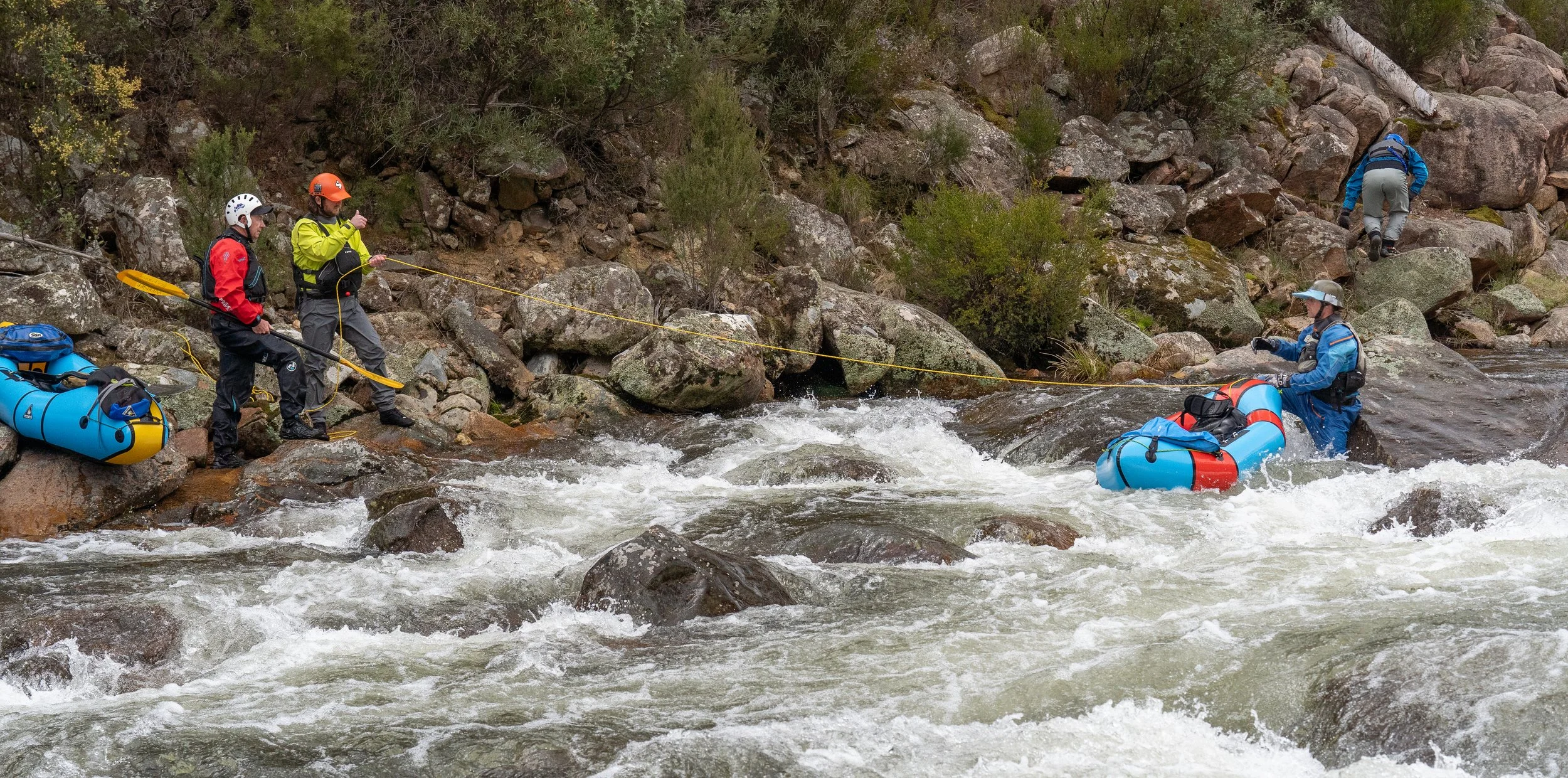
group management, scouting and safety setting
self and assisted rescues within rapids
risk management & safety planning considerations
improvisation techniques for lost paddles/boats and for assisting others down rivers
techniques for dealing with bigger water and more powerful features
Paddling Equipment:
All participants should come fully prepared for swimming in very cold water.
Drysuits are recommended! If you opt for a wetsuit (full-length needed) potentially try to bring 2 wetsuits so that you can alternate between them. A cag/spray jacket or dry top can be beneficial if you are using a wetsuit.
Please bring decent footwear and a large lightweight pack as there is the likelihood that the group will walk out of one river section and up a steep hill for 20-30 minutes.
Note that overnight temperatures can drop below zero at night whilst daytime temperatures can sometimes be only a few degrees.
Packrafting Gear Required:
Self-bailing or whitewater decked packraft with thigh straps installed and some form of fixed bow and stern perimeter line
Whitewater PFD (personal floatation device). Rescue rated PFDs are ideal but not vital.
Whitewater specific paddling helmet (NOT a climbing or bike helmet)
Whitewater paddle (we recommend 200-205 cm)
Drysuit or a full wetsuit or 2 (ideally pair wetsuit with a cag/spray/paddling jacket)
Appropriate thermal/fleece clothing
Appropriate sturdy/warm footwear for both paddling and walking
Drybag for carrying essential gear/snacks/lunch during day trips
Lightweight large pack for walking out of one river section
Personal medications/personal first aid
Spare warm clothes including a beanie (note that a neoprene skull cap can be handy as are pogies)
Snacks that are easy to access on the water
Throwbag
River knife
Minimum of 1 locking carabiner (& ideally a 2.5 – 4.0 metre sling)
"I've made a career of being a high-level international instructor in the world of Fly Fishing for over 30 years. I've taught people at all levels of our sport including running international instructor accreditation programs.
I know good teachers when I see them - that's my job.
Mark, Dan and Jen are without peer in the world of white water paddling training and education.”
- Peter Hayes (Fly Fishing Guide & repeat customer of Packrafting Tasmania)